Understanding the Dynamics of Tabletop Leagues
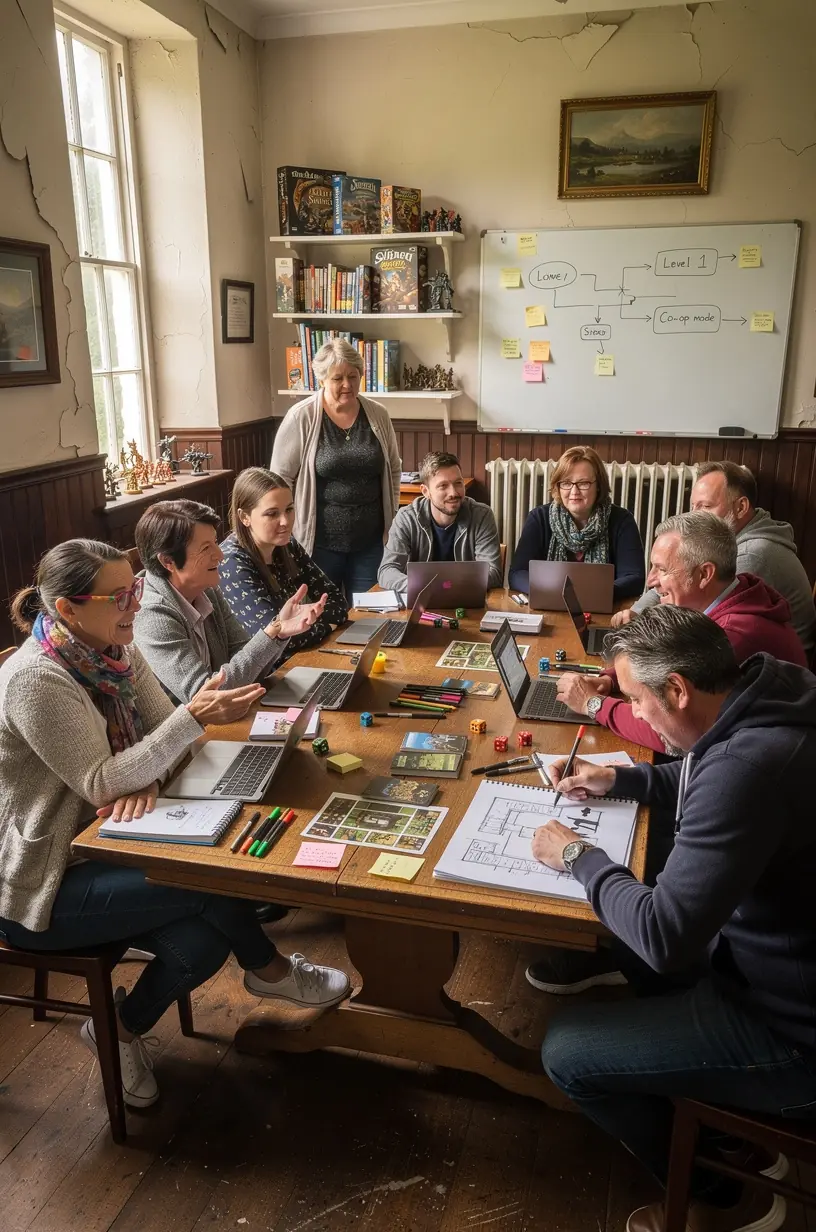
In the vibrant world of the Ireland board game club, understanding the dynamics of tabletop leagues is essential for fostering an engaging community among adults aged 40-60. This article delves into the key elements that contribute to effective league management and participant satisfaction, offering insights into how these dynamics can enhance the experience of all members involved.
What are Tabletop Leagues?
Tabletop leagues are structured groups that come together to play various board games on a regular basis, often featuring a competitive format. According to industry experts, this approach not only encourages continued participation but also helps build a strong sense of community. The structure of these leagues typically includes:

- Regular meetups: Scheduled events that allow players to gather frequently.
- League standings: A system that tracks player performances and ranks participants based on their game outcomes.
- Variety of game formats: Different types of games are played to cater to diverse interests and strategies.
The Importance of Structure
Having a well-defined structure in a tabletop league can significantly impact the overall experience. Research indicates that leagues with clear guidelines tend to have higher participant retention rates. A structured league allows for:
"A clear understanding of expectations, which enhances player satisfaction and engagement." - Tabletop Gaming Research Institute
When players know what to expect during club meetings, they are more likely to participate regularly. This is especially true in an adult board game community, where the social element plays a crucial role.
Creating Inclusive Environments
Inclusivity in tabletop leagues is vital. Many players report that leagues that embrace diverse skill levels and backgrounds enhance the experience for everyone. Here are several strategies that can help achieve this:
- Encourage new players: Offer introductory sessions and resources to help newcomers feel welcome.
- Accessibility: Choose games that are easy to learn yet offer depth, catering to various skill levels.
- Foster open discussions: Allow players to share strategies and experiences, encouraging a culture of learning and collaboration.
League Management Best Practices
For effective management of a tabletop league, consider the following best practices:
- Regular communication: Utilize platforms such as newsletters or social media to keep all members informed about league updates and events.
- Feedback loops: Create opportunities for players to provide feedback on games and formats, which can help refine the league’s structure.
- Host highlights: Recognize and celebrate the contributions of various hosts to maintain enthusiasm and motivation among players.
Conclusion
Understanding the dynamics of tabletop leagues is crucial for enhancing the experience of players within the Ireland gaming community. By building a structured yet inclusive environment, leagues can thrive, ultimately leading to greater engagement and satisfaction among participants. As we continue to explore tabletop gaming news and updates, taking these insights into account will help ensure that our board game meetups in Ireland remain enjoyable and rewarding for everyone involved.